When it comes to choosing a pet, many people think of cats, dogs, or maybe even rabbits. However, have you ever considered a sugar glider? These adorable little creatures, native to Australia, have gained popularity as unique and interesting pets. But before you make a decision, there are several important factors to consider.
In this section, we will explore whether you should keep a sugar glider as a pet and what you need to know to provide proper care and companionship. By the end, you’ll have a full understanding of the responsibilities involved, helping you make an informed decision about welcoming these charming marsupials into your home.
Key Takeaways:
- Keeping a sugar glider as a pet requires careful consideration and commitment.
- Understanding their care requirements and responsibilities is crucial.
- Sugar gliders are unique animals with specific characteristics and behavior.
- Proper diet, housing, and bonding are essential for their well-being.
- Creating a loving and suitable environment is key to their happiness.
Sugar Glider Characteristics and Behavior
Understanding the characteristics and behavior of sugar gliders is crucial in determining their suitability as pets. These adorable creatures possess unique traits that make them fascinating companions for the right individual or family.
Natural Behaviors
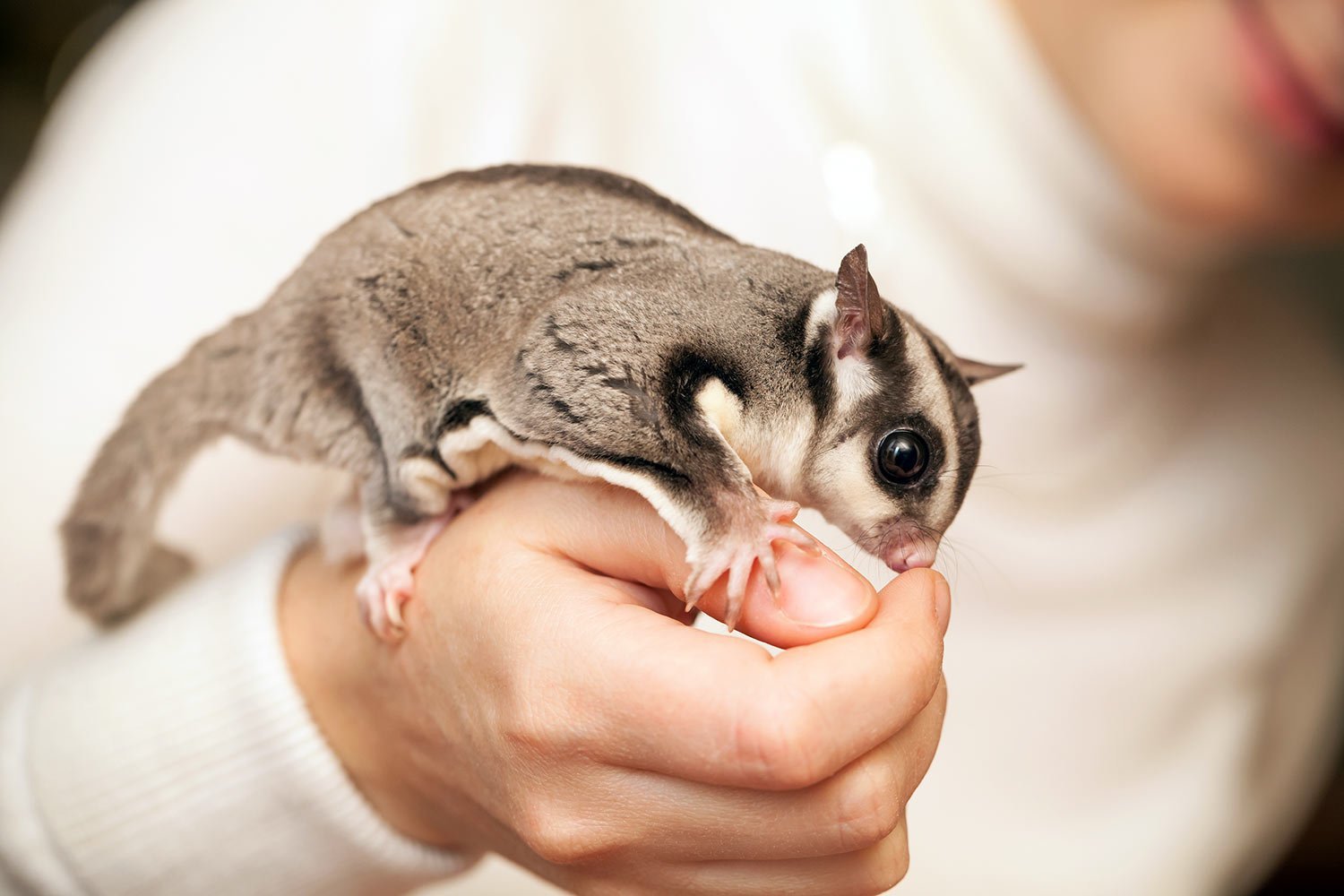
Sugar gliders are small nocturnal mammals native to Australia, New Guinea, and Indonesia. In their natural habitat, they inhabit the treetops, using their patagium, a gliding membrane between their forelimbs and hind limbs, to glide effortlessly from tree to tree. This natural behavior is an essential part of their daily routine and provides them with a sense of freedom and exploration.
Another remarkable behavior of sugar gliders is their ability to form strong social bonds. They live in colonies known as “troops” consisting of several adults, their offspring, and sometimes unrelated individuals. These close-knit social structures allow them to communicate, groom each other, and engage in play, creating a sense of security and companionship.
Social Needs
Due to their social nature, sugar gliders thrive when provided with ample opportunities for social interaction. They enjoy spending time with their human companions, as well as bonding with other sugar gliders. To ensure their well-being, it is crucial to provide them with stimulating environments that fulfil their social needs.
Sugar gliders are highly energetic and require plenty of mental and physical stimulation. They love climbing, exploring, and engaging in playful activities. Providing them with a spacious enclosure, equipped with branches, ropes, toys, and hiding spots, will help satisfy their need for exercise and enrichment.
Activity Patterns
As nocturnal creatures, sugar gliders are most active during the night. They have a keen sense of smell and exceptional vision in low light conditions, which helps them navigate their surroundings. During the day, they typically sleep in nests made from leaves, strips of bark, and other materials.
When provided with a consistent schedule and appropriate conditions, sugar gliders can adjust their activity patterns to align with their human caretakers. However, it is important to respect their natural instincts and provide them with sufficient quiet and darkness during their sleeping hours.
“Sugar gliders are truly unique creatures, with their gliding ability and social nature. Understanding their natural behaviors and providing for their social needs are key to ensuring they thrive as pets.”
| Characteristic | Description |
|---|---|
| Gliding Ability | Sugar gliders possess a gliding membrane called the patagium, allowing them to glide effortlessly between trees. |
| Social Bonding | They form close-knit social bonds within their troops, which provides them with a sense of companionship and security. |
| Nocturnal Nature | Sugar gliders are primarily active during the night and have heightened senses to navigate in low light conditions. |
By understanding the characteristics and behavior of sugar gliders, prospective owners can evaluate whether they are prepared to meet their unique needs. Providing a suitable environment that stimulates their natural instincts and fulfills their social requirements is essential for the well-being of these charming pets.
Sugar Glider Care and Bonding Essentials
When it comes to caring for a sugar glider, there are several essential aspects to consider. From providing a well-balanced diet to creating a suitable housing environment, these factors play a crucial role in ensuring the health and happiness of your pet. Additionally, bonding with your sugar glider and maintaining their overall well-being are key elements of responsible ownership. Here, we will delve into each of these aspects in detail, offering valuable tips and advice for sugar glider owners.
Dietary Needs
Giving your sugar glider a proper diet is vital to their overall health. These small marsupials have unique dietary requirements that consist primarily of a mix of fresh fruits, vegetables, and protein sources. A balanced sugar glider diet should include a variety of foods to provide essential nutrients such as calcium, vitamins, and antioxidants. It is important to avoid feeding your pet sugary or fatty foods, as these can lead to obesity and health issues.
Housing and Environment
To ensure the well-being of your sugar glider, it is crucial to provide them with a suitable housing setup. A spacious and secure cage is essential, equipped with platforms, perches, and toys to encourage exercise and mental stimulation. The cage should also have proper ventilation and be kept in a draft-free area. Additionally, creating a stimulating environment by adding branches for climbing, hiding spots, and a variety of toys will help keep your sugar glider happy and entertained.
Bonding with Your Sugar Glider
Building a strong bond with your sugar glider is essential for their emotional well-being. These social creatures thrive on companionship and interaction. Spend quality time with your pet daily, offering gentle handling, talking to them, and providing opportunities for play and exploration. Patience is key when bonding with a sugar glider, as they may take time to trust and feel comfortable with their human companion. With consistent, positive interactions, you can develop a close and affectionate relationship with your sugar glider.
Health and Well-being
Maintaining the health of your sugar glider is of utmost importance. Regular veterinary check-ups are essential to monitor their overall well-being and detect any potential health issues early on. Additionally, provide proper dental care by offering chew toys to prevent dental problems. Keep their living environment clean and free from hazards, ensuring their safety and minimizing the risk of illness or injury. Regular exercise, a balanced diet, and mental stimulation are all essential for promoting optimal health in sugar gliders.
Tips for Sugar Glider Owners
- Ensure your sugar glider has a well-balanced diet, consisting of fresh fruits, vegetables, and protein sources.
- Provide a spacious and secure housing setup, complete with perches, platforms, and toys for exercise and enrichment.
- Take time to bond with your sugar glider, offering gentle handling, regular interaction, and playtime.
- Schedule regular veterinarian check-ups to monitor your sugar glider’s health and prevent potential health issues.
- Keep their living environment clean and safe, minimizing the risk of illness or injury.
By following these essential care and bonding principles, you can ensure a positive and nurturing relationship with your sugar glider. Remember, providing a loving and attentive environment is key to the health and happiness of your beloved pet.
| Aspect | Tips |
|---|---|
| Dietary Needs | Provide a well-balanced diet consisting of fresh fruits, vegetables, and protein sources. Avoid sugary and fatty foods. |
| Housing and Environment | Provide a spacious and secure cage with proper ventilation. Add platforms, perches, toys, and stimulating elements. |
| Bonding with Your Sugar Glider | Spend quality time daily, offering gentle handling, talking to them, and providing opportunities for play and exploration. |
| Health and Well-being | Schedule regular veterinary check-ups, maintain dental care, and provide a clean and safe living environment. Encourage exercise, a balanced diet, and mental stimulation. |
| Tips for Sugar Glider Owners | Ensure a well-balanced diet, provide a suitable housing setup, bond with your pet, schedule regular veterinarian check-ups, and maintain a clean and safe environment. |
Conclusion
In conclusion, keeping a sugar glider as a pet can be a rewarding experience for those who are willing to put in the effort. Understanding the unique characteristics and behavior of these adorable marsupials is crucial in providing them with the care they need. By investing time and energy in learning about sugar glider pet care, you can ensure a healthy and thriving companion.
Creating a suitable environment for your sugar glider is essential. This includes providing a proper diet, suitable housing, and plenty of opportunities for play and exercise. Sugar gliders are highly social animals, so spending quality time bonding with them is vital for their well-being.
Remember that every sugar glider is different, and it may take time to build a strong bond with your pet. Patience, love, and consistency are key in nurturing a healthy relationship. Regular veterinary check-ups are also important to monitor their health and address any potential issues promptly.
FAQ
Should I keep a sugar glider as a pet?
Keeping a sugar glider as a pet requires careful consideration. While they can make adorable and entertaining companions, they have specific needs and requirements that may not be suitable for everyone. It’s important to research their care requirements, social needs, and behavior before making a decision.
What are the characteristics and behavior of sugar gliders?
Sugar gliders are small, nocturnal marsupials known for their gliding ability. They are highly social animals that require interaction with their own kind or dedicated human caregivers. They are active at night and have unique behaviors such as pouch-carrying and scent-marking to establish territory.
What care and bonding essentials should I know for sugar gliders?
Proper care for sugar gliders involves providing a balanced diet consisting of fruits, vegetables, protein, and a specialized sugar glider pellet. They need a spacious cage with plenty of vertical space for climbing, along with toys and enrichment. Bonding with your sugar glider requires patience and regular handling to build trust. Regular veterinary check-ups and a safe environment are essential for their health and well-being.
Are there any tips for sugar glider owners?
Yes, here are a few tips for sugar glider owners: – Establish a consistent routine for feeding, playtime, and sleep. – Provide a diverse and enriched environment with branches, hammocks, and toys. – Offer a variety of fresh fruits and vegetables as part of their diet. – Avoid feeding toxic foods such as chocolate, caffeine, and avocados. – Never release a sugar glider into the wild as they are dependent on human care.