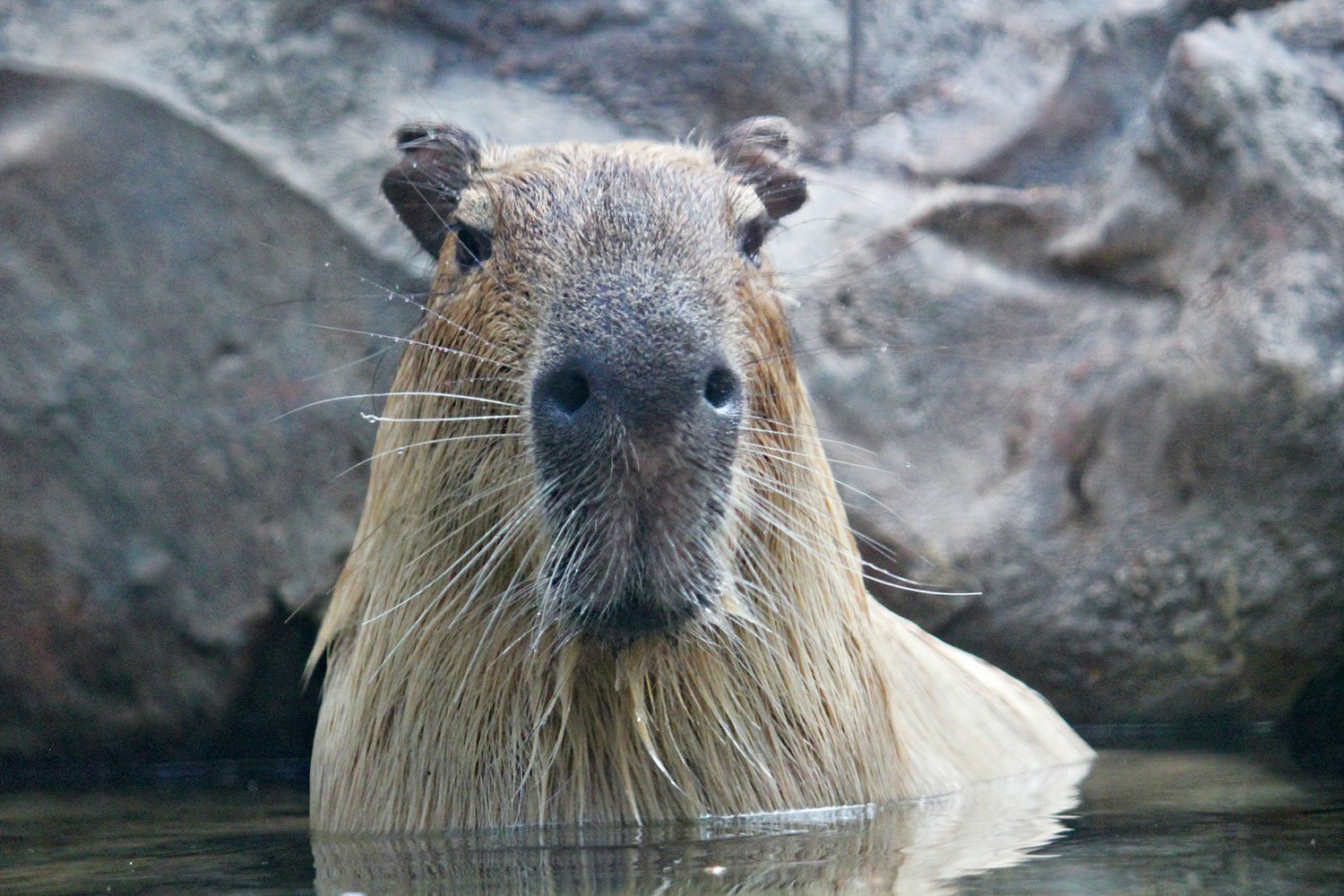
Capybaras, the world’s largest rodents, have gained increasing popularity as exotic pets in recent years. However, before considering a capybara as a pet, it’s essential to understand the unique challenges and requirements involved in their care and management. This comprehensive guide will explore the key factors to consider, from legalities and housing to health and socialization, to help you determine if a capybara is the right fit for your lifestyle and home.
Key Takeaways
- Capybaras are the world’s largest rodents, weighing up to 150 pounds and standing over 2 feet tall.
- These semi-aquatic, highly social animals have specific housing, dietary, and environmental needs that must be met to ensure their well-being.
- Owning a capybara as a pet requires understanding local laws and regulations, as well as finding a qualified exotic animal veterinarian.
- Capybaras can be affectionate companions, but they also require a significant time and financial commitment, as well as specialized care.
- Before deciding to keep a capybara as a pet, it’s crucial to carefully weigh the pros and cons to determine if it’s the right choice for you and your household.
Understanding the Capybara
Before acquiring a capybara, it’s essential to research the legal status of owning these animals in your state and local area. Capybaras are considered exotic pets, and their ownership may be regulated or even prohibited in certain regions. Familiarizing yourself with the applicable capybara laws, capybara permits, capybara legalities, and capybara regulations is a crucial first step in determining if keeping a capybara as a pet is feasible and legal in your area.
State and Local Laws
The legalities surrounding capybara ownership can vary significantly across different states and municipalities. Some regions may require special permits or licenses to own a capybara, while others may have outright bans on these exotic animals. It’s important to thoroughly research the capybara laws and any capybara regulations in your specific location before considering acquiring a capybara as a pet.
Permits and Licenses Required
Depending on your local and state capybara legalities, you may need to obtain specific capybara permits or licenses to legally own and care for a capybara. These requirements can vary widely, so it’s crucial to consult with your local authorities and wildlife agencies to understand the necessary steps and documentation needed to comply with the capybara regulations in your area.
By familiarizing yourself with the capybara laws, capybara permits, capybara legalities, and capybara regulations in your region, you can ensure that owning a capybara as a pet is a feasible and legal option for you and your household.
SHOULD YOU KEEP A CAPYBARA AS A PET?
Owning a capybara as a pet requires careful consideration. While these unique animals can be fascinating and endearing, they also have specific care requirements and challenges that must be thoroughly evaluated. When deciding whether a capybara is the right pet for you, it’s essential to weigh the pros and cons of owning a capybara and assess their suitability as a household companion.
Capybaras are the world’s largest rodent species, and their size, behavior, and dietary needs can make them challenging pets, even for experienced animal enthusiasts. These semi-aquatic creatures require ample space, both indoors and outdoors, with access to water and the ability to exhibit their natural behaviors. Providing the appropriate capybara care and housing is a significant commitment that demands a significant investment of time, effort, and resources.
In addition to the practical considerations, it’s crucial to understand the legal status of owning a capybara in your local area. Capybara ownership may be regulated or even prohibited in certain regions, and securing the necessary permits and licenses can be a complex and time-consuming process. Failure to comply with applicable laws and regulations can result in serious consequences.
When evaluating the suitability of a capybara as a pet, it’s also important to consider the potential risks and drawbacks. Capybaras are social animals that thrive in groups, and keeping a solitary capybara in a domestic setting may lead to behavioral issues and compromised welfare. Additionally, capybaras can be unpredictable and potentially aggressive, posing a safety concern for both the owners and their family members, especially young children.
Ultimately, the decision to keep a capybara as a pet should be made with a clear understanding of the species’ unique requirements, the level of commitment involved, and the potential risks. Carefully weighing the pros and cons and seeking guidance from experienced exotic animal experts can help ensure that a capybara is the right fit for your lifestyle and home.
Capybara Care and Housing Requirements
Providing a suitable and safe environment for a capybara is paramount to their health and well-being. These large rodents require ample space, both indoors and outdoors, with access to water and the ability to exhibit their natural behaviors. Constructing an appropriate capybara enclosure, ensuring a balanced capybara diet and capybara nutrition, and maintaining the correct capybara temperature and climate are all essential aspects of capybara care.
Enclosure and Space Needs
Capybaras are sizable animals, with adults reaching up to 150 pounds and over 2 feet tall. They need a spacious and secure capybara housing setup that allows them to move freely and engage in their natural behaviors, such as swimming, grazing, and socializing. A minimum enclosure size of 1,000 square feet is recommended, with both indoor and outdoor areas that provide access to a pool or pond for swimming. The capybara enclosure should also include a variety of enrichment elements, like hiding spots, logs, and vegetation, to prevent boredom and promote their natural instincts.
Diet and Nutrition
In the wild, capybaras are herbivores, with a diet consisting primarily of grasses, aquatic plants, and other vegetation. To maintain their health and well-being in a domestic setting, it is essential to provide a balanced capybara diet and capybara nutrition. This should include a variety of fresh greens, hay, and supplemental pellets or grains. Capybaras also require access to clean, fresh water at all times. Consulting with a veterinarian who specializes in exotic animals can help ensure you are meeting the specific dietary needs of your capybara.
Temperature and Climate Considerations
Capybaras are native to the warm, humid climates of South America, and maintaining the appropriate capybara temperature requirements is crucial for their well-being. Ideal capybara temperature ranges between 70-85°F (21-29°C), with low humidity levels. In colder climates, a climate-controlled indoor enclosure with supplemental heating may be necessary to keep the capybara comfortable and healthy. Sudden temperature fluctuations or exposure to extreme cold can be detrimental to a capybara’s health, so careful consideration of their environmental needs is essential.
| Capybara Care Requirement | Recommended Specification |
|---|---|
| Enclosure Size | Minimum 1,000 square feet, with both indoor and outdoor areas |
| Enclosure Features | Access to swimming pool or pond, hiding spots, logs, and vegetation |
| Diet | Grass, aquatic plants, fresh greens, hay, and supplemental pellets or grains |
| Temperature Range | 70-85°F (21-29°C) with low humidity |
Health and Veterinary Care
Capybaras, like all exotic pets, require specialized veterinary care from professionals experienced in the treatment of these unique animals. Maintaining the health and well-being of your capybara is crucial, as these large rodents can be susceptible to various health issues if not properly cared for.
Common Health Issues
Some of the most common health concerns associated with capybaras include skin infections, parasites, dental problems, and respiratory issues. Skin infections, such as fungal or bacterial infections, can occur if the animal’s environment is not properly maintained. Parasites, including both internal and external parasites, can also pose a significant threat to capybaras if left untreated. Additionally, these rodents are prone to dental issues, including overgrown teeth and malocclusion, which can lead to pain and difficulty eating. Respiratory problems, such as pneumonia, can also be a concern, particularly in captive-bred capybaras that may not have the same level of natural resistance as their wild counterparts.
Finding a Qualified Exotic Veterinarian
Locating a veterinarian with expertise in exotic animal care is essential for ensuring the health and well-being of your capybara. Exotic animal veterinarians are specially trained to identify and treat the unique medical needs of non-traditional pets, such as capybaras. When searching for a qualified veterinarian, look for clinics or practitioners that have experience in caring for large rodents and other exotic species. Regular check-ups, preventive care, and prompt treatment of any health issues are crucial for maintaining the long-term health of your capybara.
FAQ
Can capybaras be kept as pets?
Capybaras can be kept as pets, but they require significant care, space, and commitment. They are the world’s largest rodents, weighing up to 150 pounds, and have specific housing, dietary, and veterinary needs that must be properly addressed.
What are the legal requirements for owning a capybara?
The legal status of owning a capybara varies by state and local jurisdiction. Some areas require special permits or licenses, while others have outright bans on keeping these exotic animals as pets. It’s crucial to research the applicable laws and regulations before considering a capybara as a pet.
What kind of habitat and housing do capybaras need?
Capybaras require large, secure enclosures with access to water, such as a pond or swimming pool. They are semi-aquatic and enjoy spending time in the water. The enclosure must provide ample space for the capybara to move around, exhibit natural behaviors, and maintain a comfortable temperature and climate.
What do capybaras eat?
Capybaras are herbivores and their diet consists primarily of grasses, aquatic plants, fruits, and vegetables. Providing a balanced and nutrient-rich diet is essential for their health and well-being. It’s important to work with a veterinarian to ensure the capybara’s dietary needs are met.
What are common health issues in capybaras?
Capybaras are prone to various health problems, including skin infections, parasites, dental issues, and gastrointestinal disorders. Regular veterinary check-ups and preventive care are crucial to maintaining the capybara’s health. Finding a veterinarian experienced in exotic animal care is essential.
How do capybaras behave and interact with their owners?
Capybaras are social animals that typically thrive in groups. In a domestic setting, they can form bonds with their owners and enjoy human interaction. However, they also have strong instincts and can be unpredictable, especially as they reach sexual maturity. Proper socialization and training are essential for a capybara to be a safe and manageable pet.